Front yard landscaping doesn’t need a full redesign to look dramatically better, it needs edges, proportion, and plants that survive your actual climate without weekly attention, and most of that work is a weekend project rather than a hired-out one.
Start by fixing what looks unmaintained, not by adding more
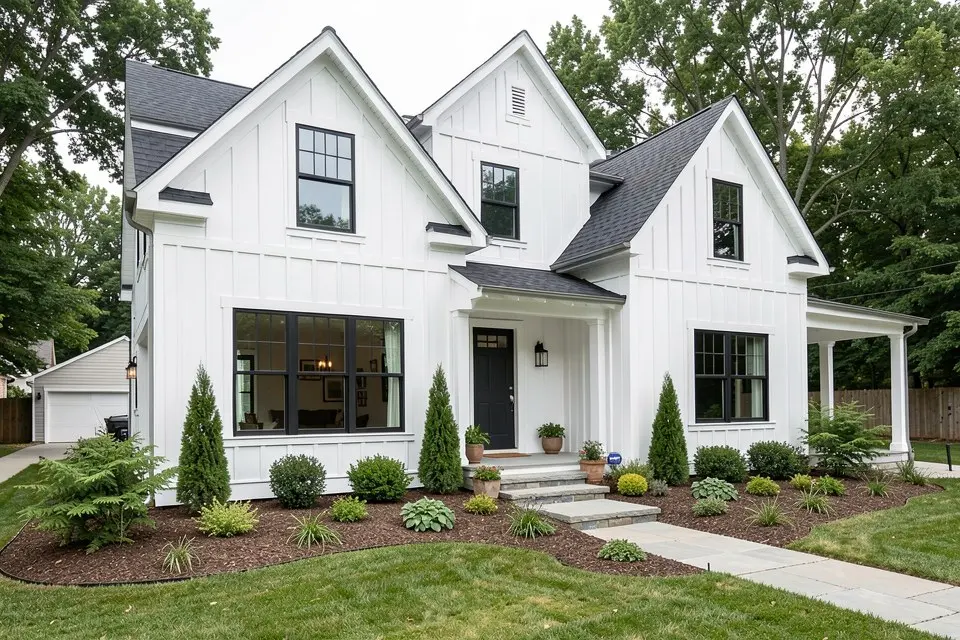
The single biggest driver of how “maintained” a yard reads isn’t the variety or expense of the plants, it’s whether the edges are crisp and the beds are free of weeds and overgrowth. A yard with basic, inexpensive plants but clean lines looks more cared-for than a yard with expensive plants and blurry, weedy bed edges. Before buying anything new, spend a weekend re-edging every bed border, pulling weeds, and cutting back anything that’s grown over a walkway or window.
This matters even more directly ahead of a sale: buyers read an overgrown or messy yard as a signal about how the rest of the property has been maintained, the same instinct that makes a peeling exterior paint job read as a maintenance red flag; see our exterior checklist before selling for the full pre-listing pass.
Low-maintenance plant choices by role
- Foundation plantings (against the house): compact evergreen shrubs like boxwood or dwarf holly hold their shape with minimal pruning and look consistent year-round.
- Bed fillers: native perennial groundcovers suited to your climate zone spread to fill space without ongoing replanting, unlike annuals that need replacing every season.
- Vertical interest: one or two small ornamental trees (Japanese maple, crepe myrtle, or a climate-appropriate equivalent) placed asymmetrically rather than centered, which reads as more natural and requires no more maintenance than a symmetrical placement.
- Entry accents: a pair of matched large planters flanking the front door, refreshed seasonally (the container rules in balcony makeover ideas apply just as well to an entry step), gives you a controlled space to add seasonal color without committing to high-maintenance beds elsewhere.
Check your local extension service or a garden center for the specific native and drought-tolerant options in your climate zone; “low maintenance” varies significantly between a Mediterranean climate and a temperate one, and choosing plants suited to local rainfall patterns is what actually reduces the ongoing work, not the plant type in the abstract.
Lawn strategy
A smaller, well-edged lawn generally looks better and costs less to maintain than a larger one, and shrinking the lawn’s footprint in favor of expanded planting beds is one of the more effective yard changes available. If the existing lawn has bald patches or is mostly weeds, overseeding in the appropriate season (autumn for cool-season grasses, late spring for warm-season) is far cheaper than full sod replacement and usually sufficient for curb appeal purposes rather than a golf-course-quality result.
What it costs
| Project | Cost range |
|---|---|
| Edge and mulch existing beds | €50 – €150 (DIY) |
| Foundation shrub planting (per shrub) | €25 – €80 |
| One ornamental tree, planted | €100 – €400 |
| Lawn overseeding (average front yard) | €40 – €120 |
| Full landscaping redesign, hired | €2,000 – €10,000+ |
The DIY-scale items at the top of this list deliver a disproportionate share of the visual improvement relative to their cost. Reserve the hired full redesign for cases where the yard’s grading, drainage, or hardscaping (walkways, retaining walls) genuinely needs professional work, the kind of job the DIY-versus-contractor decision puts on the hire side, not for a straightforward planting refresh.
Coordinate with the rest of the exterior
Landscaping doesn’t exist in isolation from the house’s paint and siding, and choices in one area should account for the others. A soft blue-gray house benefits from planting choices with warmer foliage tones to avoid the whole facade reading as cold; see our exterior paint color guide for how color families interact. Similarly, if the front door itself needs a refresh, plan the entry planting to frame it rather than competing with it; see our front door color guide for pairing ideas.
A weekend plan
Saturday: edge all beds, pull weeds, prune anything blocking windows or the walkway, mow and edge the lawn. Sunday: apply fresh mulch, plant one or two foundation shrubs where gaps are most visible from the street, and refresh entry planters.
That two-day plan, at a materials cost typically under €300, produces a more visible improvement per euro than almost any other exterior project on this list, which is why it sits near the top of the curb appeal ideas priority list too.
Try it yourself
Homie lets you preview landscaping and planting changes directly on a photo of your front yard using Exterior Redesign, so you can compare a few different planting and lawn-shrinking layouts before spending a weekend or a landscaping budget on the wrong one.