Virtual staging is the practice of digitally adding furniture, decor, and sometimes flooring or paint to photos of an empty or poorly furnished room, so a listing shows buyers what the space could look like instead of what it currently looks like. It costs a fraction of physical staging and takes minutes instead of days, which is why most agents now use it as the default, not the exception.
Why empty rooms hurt a listing
An empty room photographs smaller than it is. Without furniture to establish scale, buyers can’t tell if a “bedroom” fits a queen bed or only a twin, and the brain reads bare walls and bare floor as a room with nothing to say about itself. Data from major listing portals consistently shows staged listings, virtual or physical, get more saves and more showing requests than empty-room listings at the same price point. If you’re deciding whether to stage at all, that’s the baseline case: an empty room is the worst-converting photo you can put in a listing.
The fix isn’t complicated. Furnish the space with pieces roughly true to scale, in a neutral style, and the room reads as move-in ready. For guidance on which specific furniture pieces and layouts do that work best, see our guide on staging small rooms so they photograph bigger.
How virtual staging actually works
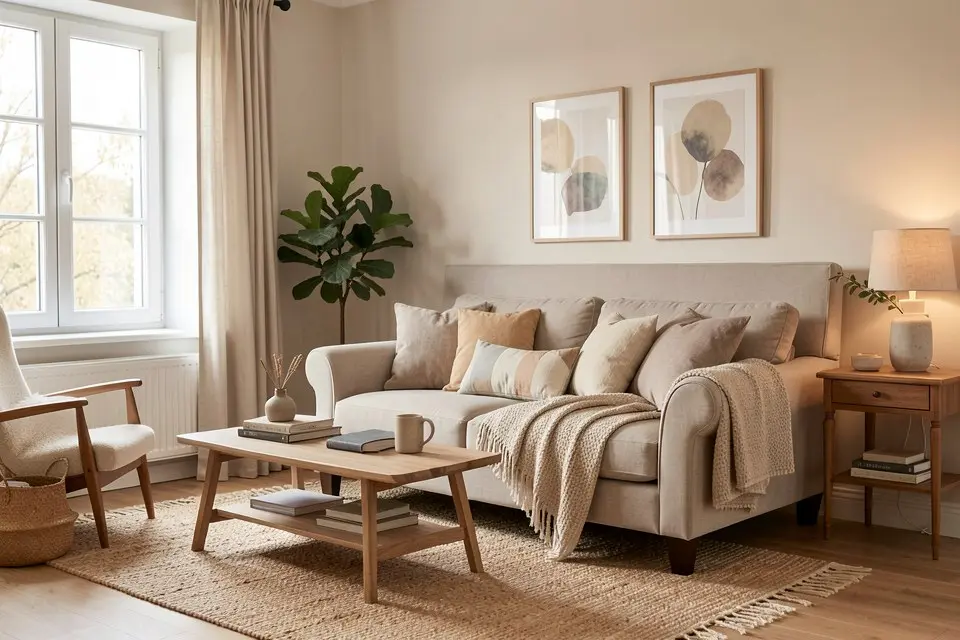
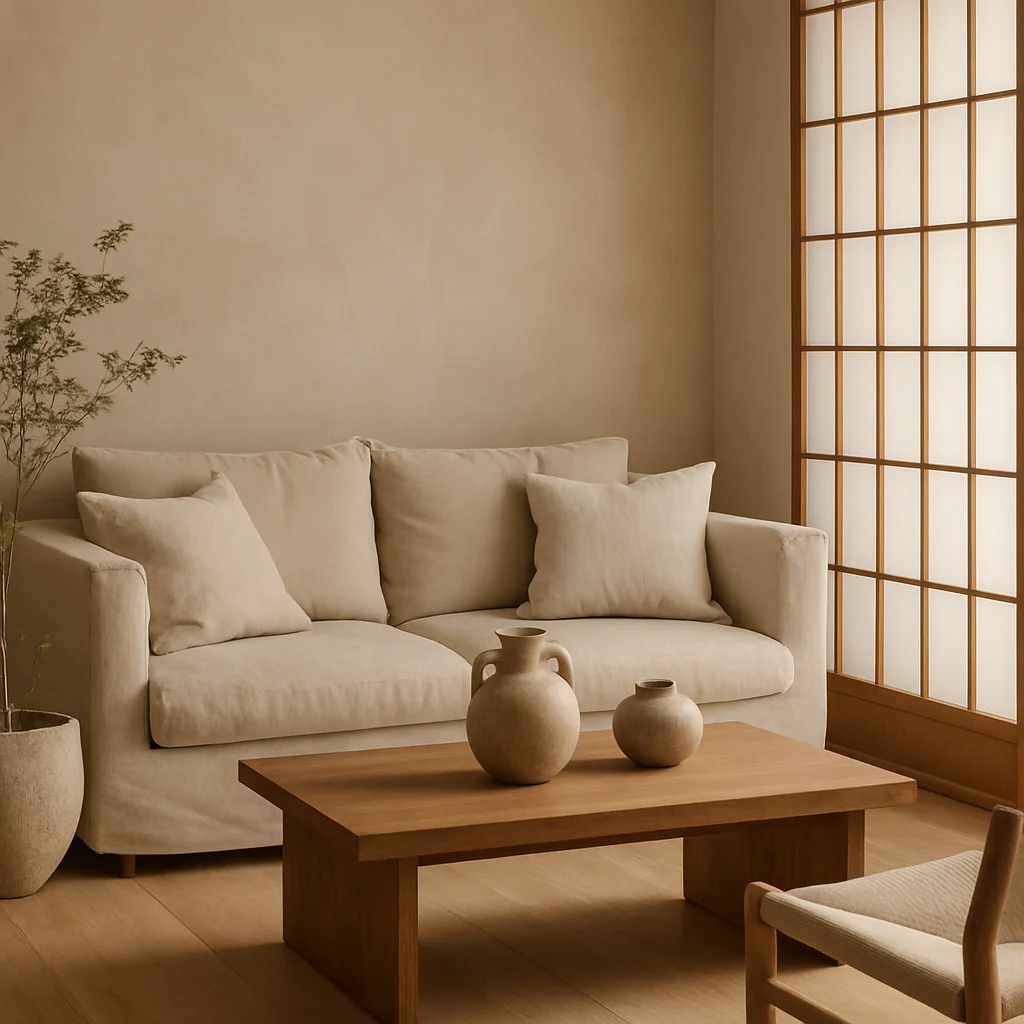
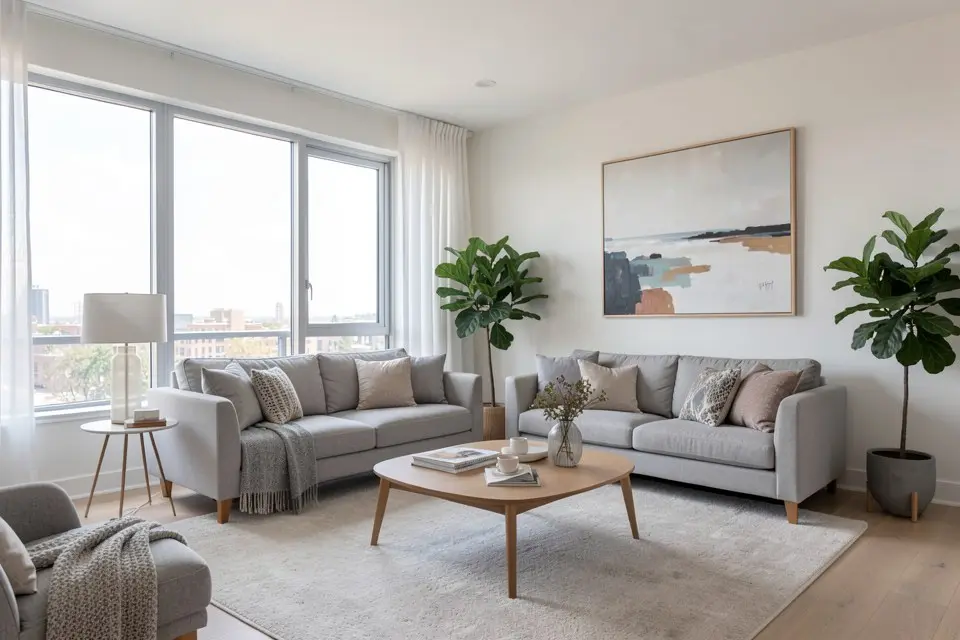
You upload a photo of the empty or lightly furnished room. The tool detects the floor plane, walls, and existing fixtures (windows, radiators, built-ins), then places furniture and decor into the space at the correct scale and perspective, matching the room’s actual lighting direction so shadows fall the right way. A decent tool also lets you pick a style, since a Scandinavian-styled living room and a farmhouse-styled one sell to different buyer instincts even in the same physical room.
The steps in practice:
- Shoot the room straight on, ideally from a corner, with the whole floor and two walls visible. A tilted or fisheye-distorted photo will produce staging that looks pasted on.
- Pick a style that matches the buyer pool. A studio near a university reads well in minimalist or Scandinavian; a suburban family home reads better in transitional or farmhouse.
- Generate two or three variations and pick the one where the furniture scale looks plausible against the door height and window sill.
- Disclose it. Add “virtually staged” to the listing description and, if your MLS requires it, a small watermark on the image itself.
Virtual staging vs furnishing the room for real
Some sellers still rent physical furniture for a week of showings. It’s the right call in specific cases, mainly when buyers will walk through in person before the listing goes hot and an empty room would tank first impressions on-site, not just in photos. For a full breakdown of when each approach wins, read our comparison of virtual staging against physical staging. As a rule of thumb, if the property is being shown in person within the first two weeks, physical staging (or at least staging the two or three rooms buyers see first) pulls its weight. If the listing is primarily selling through photos before a showing is booked, virtual staging alone gets you almost all the same benefit. Staging an empty house lays out that hybrid budget room by room.
What it costs versus what it returns
| Approach | Typical cost (per listing) | Turnaround |
|---|---|---|
| Virtual staging (per room) | €15 – €50 | Minutes to a few hours |
| Physical staging (per room, per month rental) | €300 – €900 | 3 – 7 days to install |
| Full-house physical staging | €2,000 – €8,000+ | 1 – 2 weeks |
Virtual staging wins on cost by an order of magnitude, and the return in listing engagement is well documented even at that low a price point. The virtual staging cost guide breaks the per-photo price down by provider type. The one place it can’t compete is the in-person walkthrough, where buyers physically stand in the empty room. If your local market does a lot of pre-offer showings, budget for at least minimal physical staging in the living room and primary bedroom; virtual staging can cover everything else.
Getting the photos right first
None of this works if the base photo is bad. Before you stage anything, make sure the room is shot with even light, a level horizon, and enough width in frame that a viewer can judge the room’s actual proportions. If you haven’t already reviewed how to shoot listing photos properly, see our listing photo tips for sellers before staging a single room. Staging can’t rescue a dark, cluttered, or badly framed photo. Clutter is the one fixable part; removing clutter from photos cleans the base image before staging. It can only add furniture on top of a photo that’s already telling the truth about the space.
A note on real estate agents managing multiple listings
If you’re an agent running staging across five or ten listings a month, consistency matters as much as quality. Pick one or two styles you default to (neutral and transitional cover the widest range of buyers) and stick with them across listings, rather than picking a new aesthetic every time. This keeps your brand’s photo style recognizable and cuts the decision time on each new listing down to almost nothing. The same reuse logic applies to landlords; staging a rental property covers keeping one staged set per unit across turnovers.
Try it yourself
Homie has a Virtual Staging feature built for exactly this: upload a photo of an empty or under-furnished room, choose a style, and get a photorealistic staged version back in minutes, ready to disclose and drop straight into your listing.