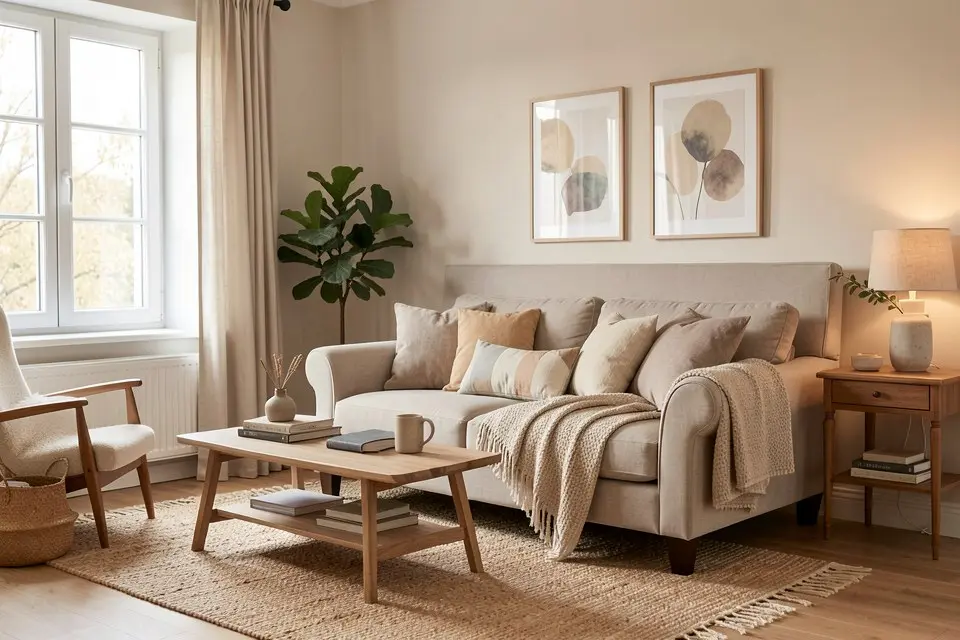
Your first apartment usually comes with a small budget, a landlord who does not want holes in the walls and a lot of empty space. It is tempting to buy everything at once from a single store. These first apartment decorating ideas take a slower, cheaper route: buy the essentials, pick a direction and let the space come together over a few months.
Start with a plan, not a cart
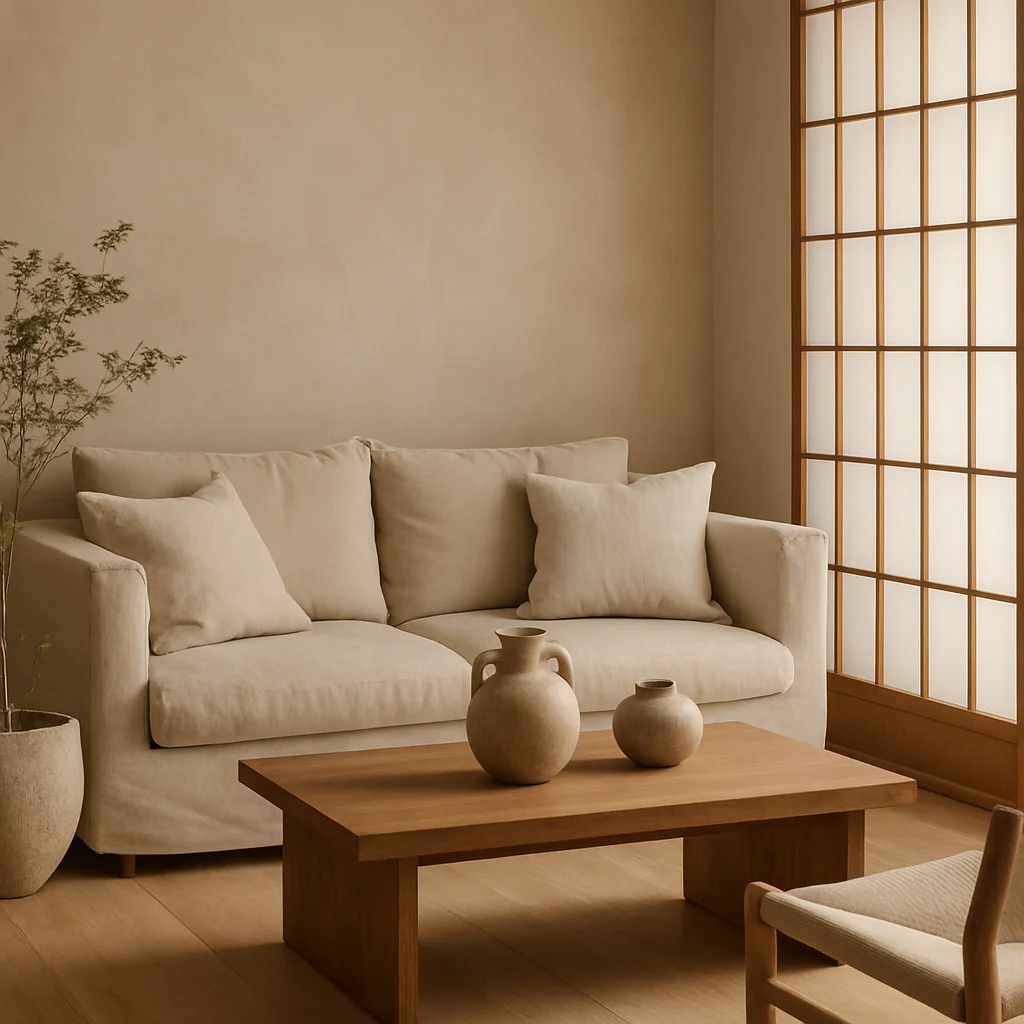
Before buying anything, take photos of each room and measure the walls, windows and doors. Then decide on a simple direction: two or three main colors, one wood tone and one metal finish. That short list keeps random purchases from clashing.
If you are not sure what style you like, try a few on your own photos. Homie’s virtual staging tool furnishes an empty room in different styles so you can compare, say, Scandinavian with bohemian before you spend. Homie lets you try designs for free, and Pro is $3.99 a week if you only need it for a move.
What to buy first
In rough order of importance:
- Mattress and bedding. Sleep matters more than anything else.
- Window coverings. Privacy and darkness in the bedroom.
- Somewhere to sit. A sofa or two comfortable chairs.
- A table. For eating and working, even if it is small.
- Lighting. Floor and table lamps so you are not living under a single ceiling light.
- Basic storage. A dresser or shelving unit.
Everything else can wait. The new apartment moving checklist covers the practical items to sort out in the first week, and the cost to furnish an apartment guide gives realistic price ranges.
Shop secondhand and mix in new
Secondhand is the best way to stretch a small budget.
- Solid wood furniture — dressers, tables, bookcases — is widely available used and lasts much longer than cheap flat-pack.
- Frames, mirrors and lamps are easy to find at thrift stores and can be updated with paint or a new shade.
- Buy new for mattresses and anything upholstered you have concerns about.
A simple rule: spend on things you touch every day, save on things you look at.
Renter-friendly upgrades
Most leases limit painting and drilling. You can still change a lot:
- Curtains: hang the rod near the ceiling and wider than the window to make the room look taller and brighter.
- Lighting: swap harsh bulbs for warm white (around 2700K), and add plug-in wall sconces.
- Rugs: define areas and hide worn floors. Check the rug size guide so the rug is not too small.
- Removable wallpaper or decals: for an accent wall or inside a closet.
- Adhesive hooks and strips: for light art, keys and towels.
- Lean, do not hang: large mirrors and art leaned on a dresser or the floor.
More options are in the rental friendly apartment upgrades guide.
Small space tricks
First apartments are often small.
- Choose furniture on legs so you can see more floor.
- Use a round dining table to save space and ease movement.
- Put a mirror opposite a window to bounce light.
- Use the vertical space with tall shelves.
- Pick multi-use pieces: an ottoman with storage, a bench that doubles as a coffee table.
The small apartment redesign ideas and studio apartment layout ideas go further.
Making it feel like yours
A space feels personal when it shows what you care about:
- frame your own photos or prints instead of generic art,
- display books, records or collections you actually use,
- add plants; pothos, snake plants and ZZ plants tolerate low light and forgetful watering,
- choose one or two statement pieces — a colorful chair, a vintage lamp — and let the rest stay simple.
How to make it look more expensive
- Stick to a limited color palette.
- Choose fewer, larger pieces of art rather than many small ones.
- Swap out cheap hardware on dressers or kitchen cabinets (keep the originals to reinstall when you move out).
- Keep surfaces mostly clear.
- Layer textures: a wool throw, linen pillows, a woven basket.
Plan once, buy slowly
The best first apartments come together over several months. Keep a running list of what you still need, check prices secondhand first and buy the essentials before decor. When you are ready to pull it together, generate a few styled versions of your room with the room redesign tool and use the render as a shopping guide. The furniture budget planning guide explains how to split spending across rooms.
A room-by-room starting point
Living room
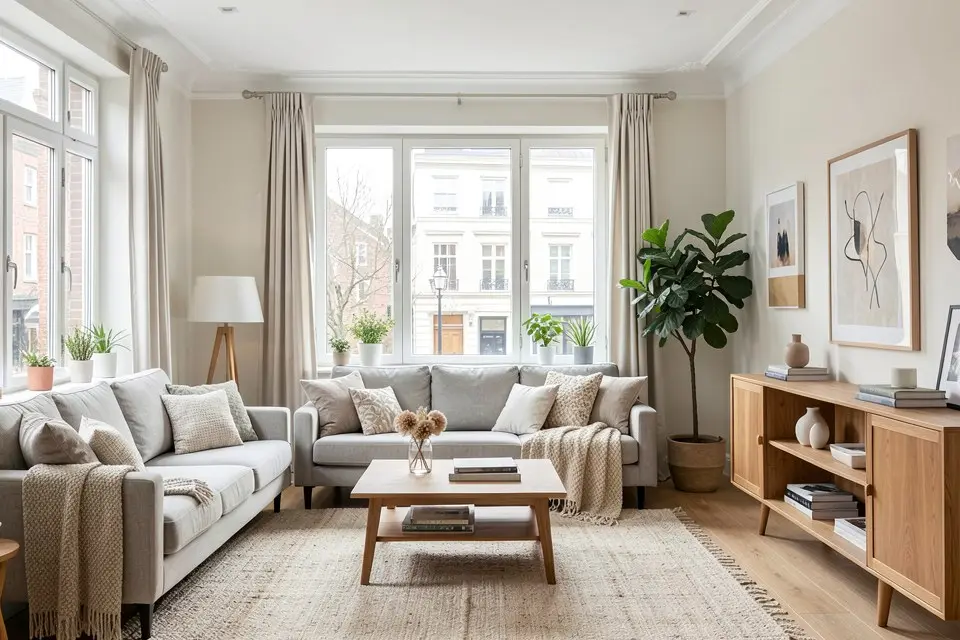
A sofa, a rug big enough for the front legs of the seating to sit on it, a coffee table and two lamps. Add a bookshelf or a console table for storage and display. If the room doubles as an office, put the desk against a wall near a window.
Bedroom
A bed frame that lifts the mattress off the floor (and adds storage underneath if possible), two nightstands or small tables, a lamp on each side, blackout curtains and a full-length mirror. Paint is often not an option, so add color with bedding and a headboard.
Kitchen
Open shelves or a rolling cart add storage in small kitchens. A new runner, a couple of plants and matching canisters make a rental kitchen feel finished for little money.
Bathroom
New towels in one color, a shower curtain that suits your palette, a small shelf over the toilet and a plant that likes humidity go a long way.
Sizes that fit small apartments
Many first-apartment mistakes are about scale. Measure the room and keep these general guidelines in mind:
- Sofa: in a small living room, 72 to 84 inches long usually fits better than a full sectional. Check the depth too; around 34 to 38 inches keeps walkways open.
- Walkways: aim for about 30 to 36 inches between furniture.
- Rug: a 5 by 8 foot rug suits many small living rooms; a 3 by 5 foot rug often looks too small under a sofa.
- Bed: a full bed needs a room of roughly 9 by 10 feet with walking space; a queen needs about 10 by 10 feet.
- Dining: a 36-inch round table seats two to four and takes less space than a rectangle.
- Curtains: hang the rod 4 to 6 inches above the window frame and let panels reach the floor to make ceilings look taller.
New vs secondhand: what to buy where
| Item | Buy new | Buy secondhand |
|---|---|---|
| Mattress | Yes, for hygiene and support | Rarely |
| Sofa | Worth it if you want a warranty | Good option if you inspect it carefully |
| Dressers and tables | Optional | Often better quality for the money |
| Lamps | Either | Easy to find and rewire |
| Rugs | Either | Clean thoroughly first |
| Bedding and towels | Yes | No |
Mistakes to avoid
- Buying a full room set. It looks like a showroom and leaves no room for personality.
- Choosing furniture before measuring doors. Many sofas do not fit up apartment stairs.
- Only overhead lighting. Add at least two lamps per room for warmer evenings.
- Hanging art too high. Center it around 57 to 60 inches from the floor.
- Drilling before reading the lease. Use removable hooks and strips where holes are not allowed.
Try it in Homie
- Photograph each room before you move your things in, while it is empty.
- Use virtual staging to try a furniture layout in the empty space.
- Run the result through the room redesign tool in two styles and keep the one you like as your shopping reference.