Split a furniture budget into three tiers before buying anything: anchor pieces (40-50% of budget), secondary pieces (30-35%), and accents (15-20%). Buy in that order, with a pause between tiers, and you avoid the most common failure mode: spending the accent budget on the anchor piece because it was the first thing you saw.
The three tiers
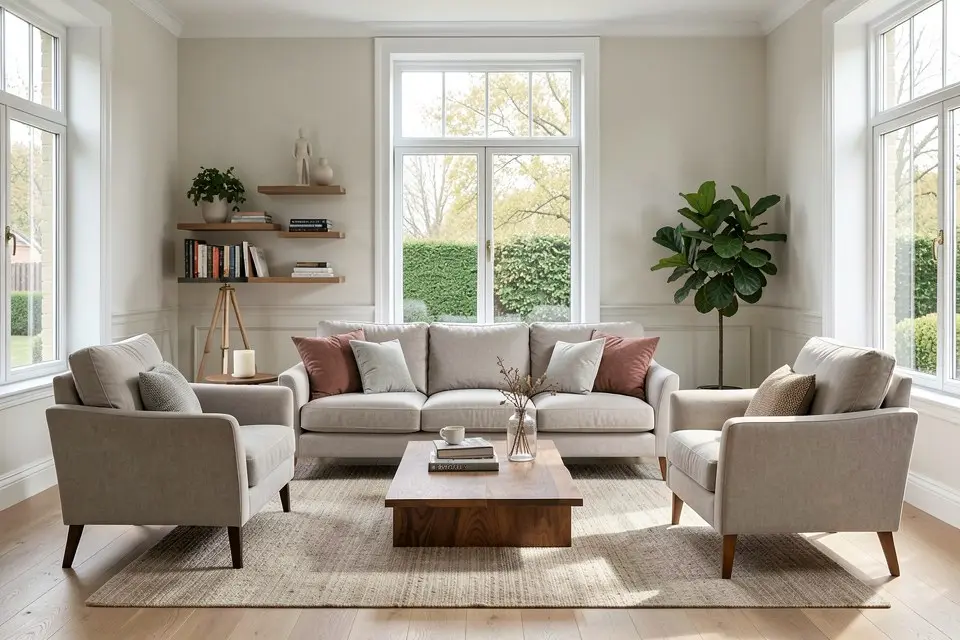
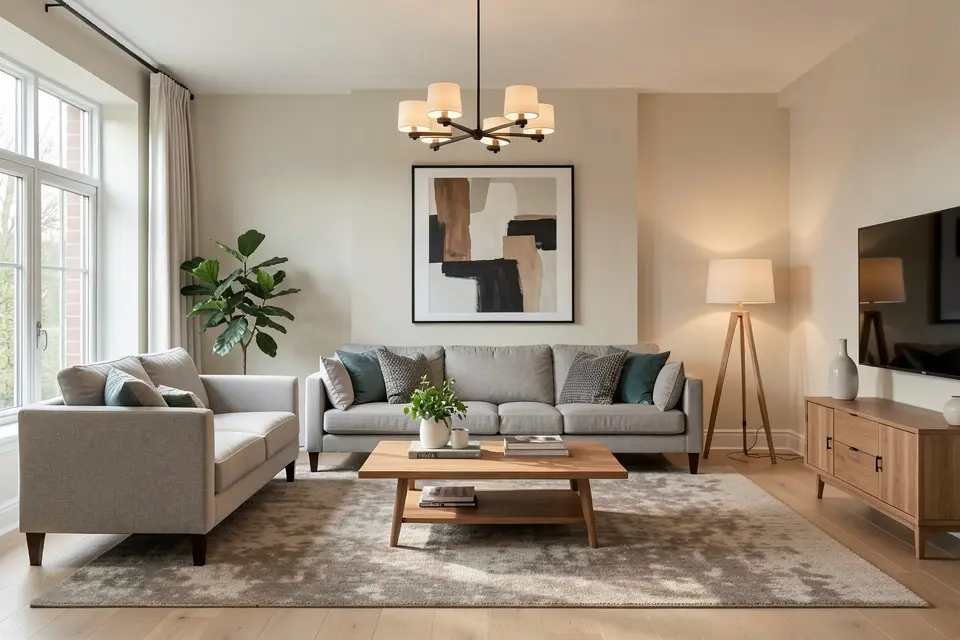
Anchor pieces (40-50%). The sofa, the bed, the dining table, the desk. Whatever the room is functionally built around. These get the largest share because they’re used daily, seen constantly, and expensive to replace if wrong.
Secondary pieces (30-35%). Storage, side tables, chairs, a rug. Important but more forgiving; a slightly-wrong side table is a minor annoyance, a slightly-wrong sofa is a daily one.
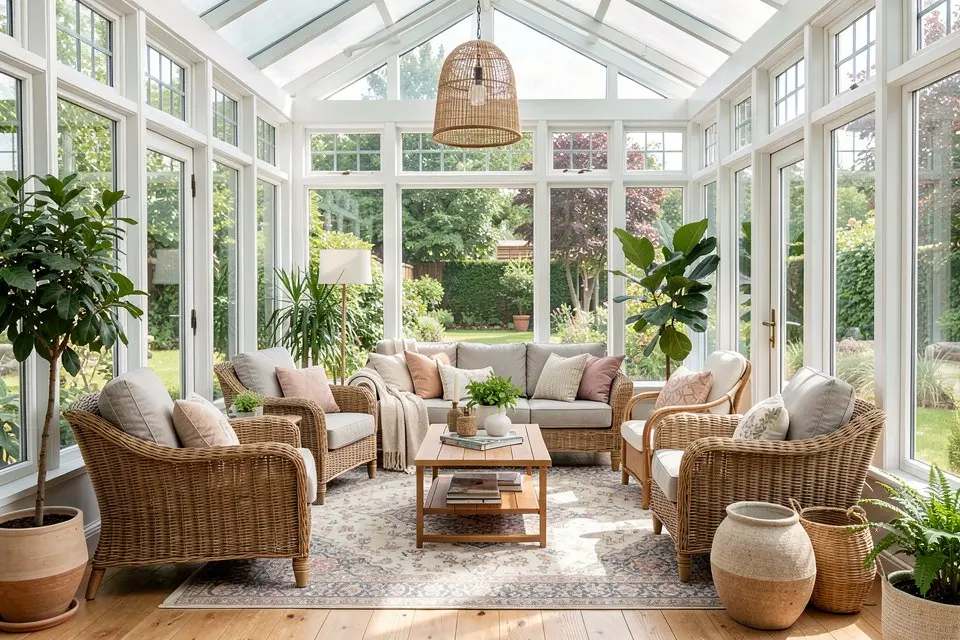
Accents (15-20%). Lighting, art, cushions, throws, plants. Cheapest per item and the fastest way to change how a room feels without touching the big-ticket items. This tier is also where taste experiments belong, since mistakes here are inexpensive to reverse.
Price ranges by piece
| Piece | Budget | Mid-range | High-end |
|---|---|---|---|
| Sofa (3-seat) | €400-700 | €900-1,800 | €2,200-5,000+ |
| Bed frame (queen/double) | €200-400 | €500-1,000 | €1,200-2,500+ |
| Mattress (queen/double) | €300-500 | €600-1,200 | €1,500-3,000+ |
| Dining table (4-6 seat) | €200-450 | €500-1,100 | €1,300-3,000+ |
| Armchair | €150-350 | €400-800 | €900-2,000+ |
| Rug (200x300cm) | €80-200 | €250-600 | €700-1,500+ |
| Coffee table | €80-180 | €200-450 | €500-1,200+ |
| Floor/table lamp (each) | €30-70 | €80-180 | €200-500+ |
These ranges sit inside the bigger picture in what a room redesign actually costs; if the total is tight, a small-budget room makeover shows which pieces to defer.
Why order matters more than total budget
Furnishing in the wrong order is how a €3,000 budget produces a room that still feels unfinished. If you spend on accents and secondary pieces before settling the anchor, you end up with a rug, side tables, and lamps chosen around a sofa you haven’t bought yet, which frequently means they don’t actually match once it arrives.
The fix is sequencing: settle the layout and anchor piece first (see the how to redesign any room method for the layout step specifically), buy it, live with the room for two to four weeks, then fill in secondary pieces against what’s actually there rather than what you imagined.
A worked example: €2,500 living room budget
| Tier | Allocation | Items |
|---|---|---|
| Anchor (45%) | €1,125 | Sofa |
| Secondary (33%) | €825 | Rug, coffee table, one armchair |
| Accent (22%) | €550 | Two lamps, cushions, art, one plant |
Notice the sofa alone takes nearly half. This is correct, not a budgeting failure, because it’s the piece the room is judged on and used on every day. Scaling this to a whole flat rather than one room is covered in how much it costs to furnish an apartment.
Where furniture budgets commonly leak
- Buying the whole room in one trip. Showroom lighting and staging make pieces look coordinated that won’t be, once they’re in your actual space and light. Moving into an empty place makes this temptation worse; the new apartment moving checklist sequences what to buy in the first month versus later.
- Skipping delivery and assembly fees, which can add 5-15% to large furniture orders and are frequently left off the sticker price.
- Ignoring scale. A sofa that looks right in a large showroom can be oversized for a real room; measure the space and the walking paths before buying, not after delivery.
- No plan for what you’re replacing. Old furniture removal, whether donated, sold, or disposed of, has its own cost and timeline that’s easy to forget until the new piece is on the truck.
If the furniture spend is part of a broader redesign rather than a standalone refresh, weigh it against the full picture in the room redesign cost breakdown, since furniture is usually the largest single category in a cosmetic redesign.
Try it yourself
Before locking in the anchor piece, preview a few sofa or bed options against your actual room using Room Redesign in Homie, then use Shop the Look to find real pieces close to what’s shown. It settles tier one of the budget with far less guessing than a showroom trip.