Every day a rental unit sits vacant costs the landlord a day of rent, which makes staging one of the highest-return investments in the entire leasing process, and virtual staging in particular, since it needs no ongoing furniture cost and speeds up the exact photos that drive prospective tenant inquiries.
Why vacancy speed is the whole game
A landlord’s staging math is different from a home seller’s. A seller stages once to close a single sale; a landlord may need to re-list and re-photograph the same unit every one to two years as tenants turn over. That changes the cost-benefit entirely. Physical staging, which needs re-renting furniture and re-installing it at every vacancy, becomes an expensive habit rather than a one-time cost. Virtual staging, done once and reused (with updates as needed if the unit’s paint or flooring changes), amortizes to almost nothing per vacancy cycle.
The core numbers: for a €1,200/month rental, each week of vacancy costs roughly €280 in lost rent. If staged photos fill the unit even one week faster than empty photos, and most portfolio data suggests staged listings do lease faster, the staging pays for itself many times over on a single vacancy.
The staging plan for a rental turnover
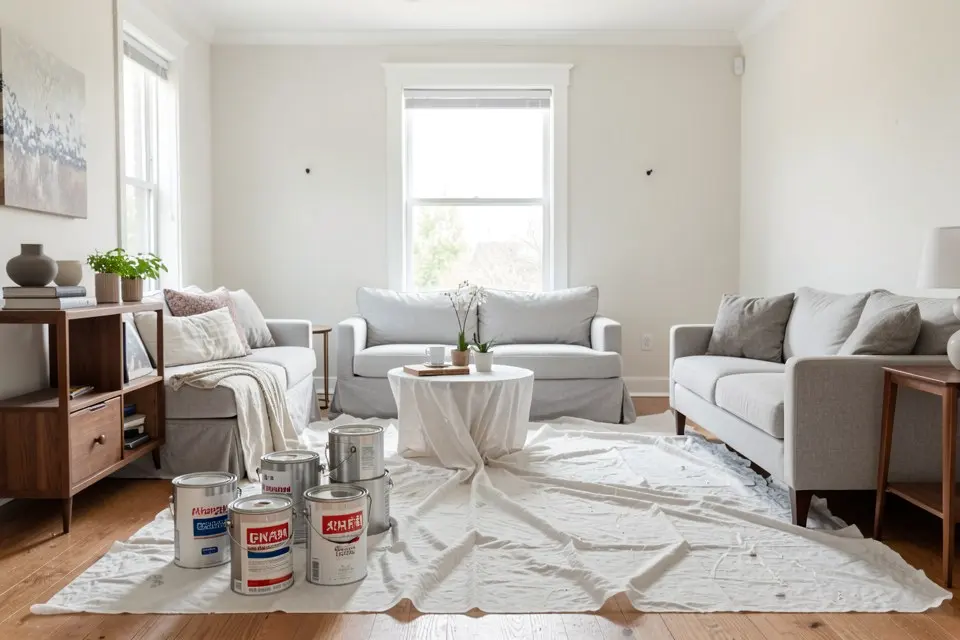
- Photograph the unit empty, right after cleaning. Wait until the unit is fully cleaned, with no leftover tenant items or repair equipment in frame, before shooting. The framing rules in listing photo tips apply to rentals unchanged.
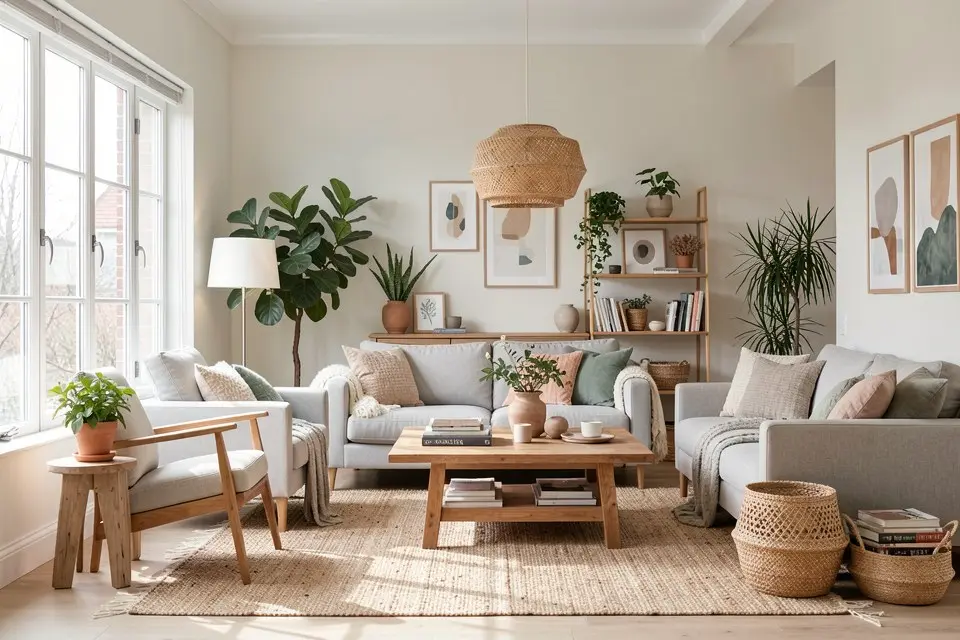
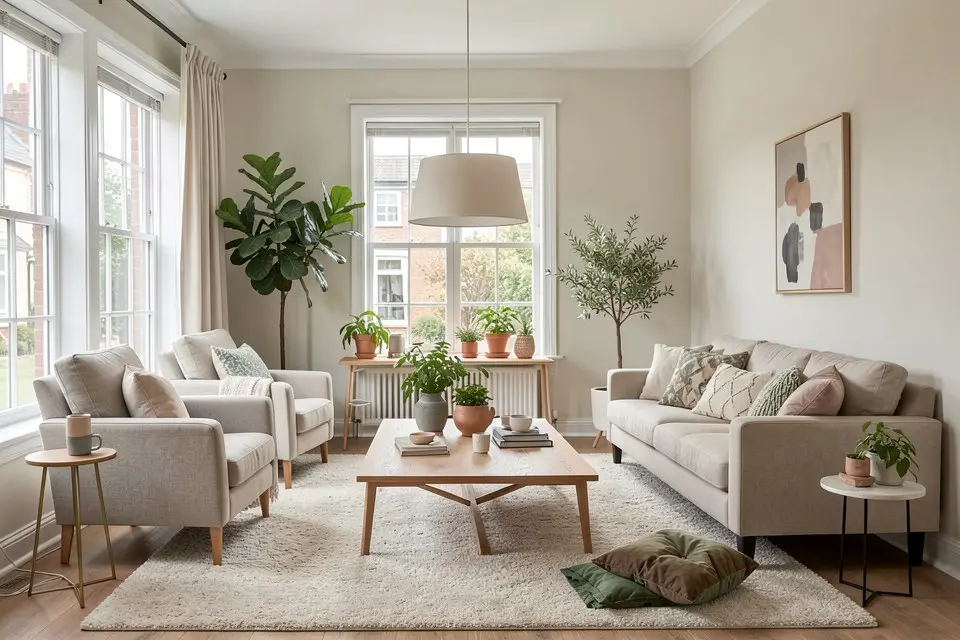
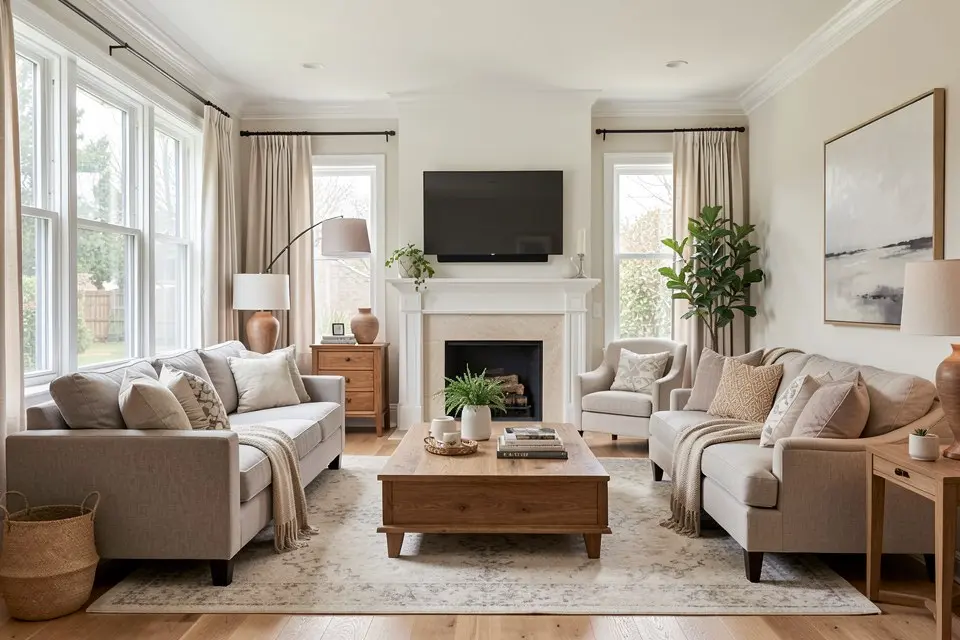
- Virtually stage the living room, primary bedroom, and any ambiguous-use room (a den or flex space that could be an office or a third bedroom). These are the rooms where furniture placement changes a prospective tenant’s read of the space most.
- Keep the staging style neutral and generic, more so than you would for a home sale. Rental tenants come from a much wider range of tastes and life stages than home buyers in a specific price bracket, so a strongly styled boho or maximalist stage narrows your applicant pool for no good reason. The neutral-style guidance in the virtual staging for real estate guide is the right reference.
- Skip staging the kitchen and bathrooms unless they’re unusually small or oddly laid out. These rooms sell on function and cleanliness, not furniture. Cheap hardware and lighting swaps from rental-friendly apartment upgrades do more for those rooms than any render.
- Reuse the staged photos across listing cycles as long as the unit hasn’t changed. Store the staged images separately from the raw photos so you don’t have to regenerate them for every vacancy.
Handling awkward or small units
Rental units, especially in cities, run smaller and more oddly shaped than typical for-sale homes. A studio or a one-bedroom with a strange nook needs furniture placed at true scale to avoid making the space look even smaller once staged badly, which can backfire and slow down leasing rather than speed it up. Our guide to staging small rooms for listings covers layout tricks, like floating furniture off walls and choosing lower-profile pieces, that apply directly to compact rental units.
The techniques in staging small rooms for listings apply directly to compact units, and what virtual staging costs shows what per-photo pricing looks like across a portfolio.
What this costs across a portfolio
| Scenario | Approach | Cost |
|---|---|---|
| Single unit, one-time staging | Virtual staging, 3 rooms | €45 – €150 |
| Small portfolio (10 units), staged once each | Virtual staging, 3 rooms x 10 | €450 – €1,500 |
| Physical staging, single unit, one month | Rented furniture, 2 rooms | €600 – €1,800 |
For a landlord or property manager running multiple units, the per-portfolio savings from virtual over physical staging compound fast, and the staged images can be reused for every future vacancy in that unit with no incremental cost.
Disclosure and legal notes for rentals
Rental listing disclosure rules for staged photos are generally less strict than MLS rules for home sales, but the same principle applies: don’t let staging misrepresent something structural, like room dimensions or the presence of a feature that doesn’t exist. A simple “virtually staged” note in the listing description covers most jurisdictions and keeps expectations aligned when prospective tenants view the unit in person.
Beyond staging: the exterior of multi-unit buildings
If you manage a building with shared exterior spaces, entryway condition and curb appeal affect every unit’s leasing speed, not just the one currently vacant. A tired entrance or overgrown front landscaping creates a first impression that undercuts staged interior photos before a prospective tenant even opens the listing. See our front yard landscaping ideas for low-maintenance options that work across a rental portfolio without adding ongoing gardening costs.
Try it yourself
Homie makes it fast to build a reusable Virtual Staging set for a rental unit: stage it once between tenants, keep the images on file, and drop them straight into every future listing until the unit’s actual layout or finishes change.